Accidents During a Lapse
If you crash during a lapse, there's no policy to pay the claim, and the costs become yours to cover directly.
What an accident during a lapse actually triggers
- No insurer steps in Without an active policy, there's no claims process to lean on. You're personally responsible for the other driver's damage and injuries, and your own.
- The other driver can sue you If their costs are high, they or their insurer can pursue you directly for payment. This can mean a lawsuit and a judgment against you, not just a bill.
- Your state finds out States track insurance status through registration and DMV systems. An accident with no coverage on file usually triggers a separate notice or penalty beyond the crash itself.
- New coverage gets harder Insurers will ask about recent accidents and lapses when you apply. Expect closer questions and higher quotes until you've shown a clean stretch of continuous coverage.
- Your license can be at risk Some states suspend driving privileges after an uninsured accident until you prove coverage going forward. Check your state's DMV for what proof they'll require.
A gap, a fender bender, and what followed
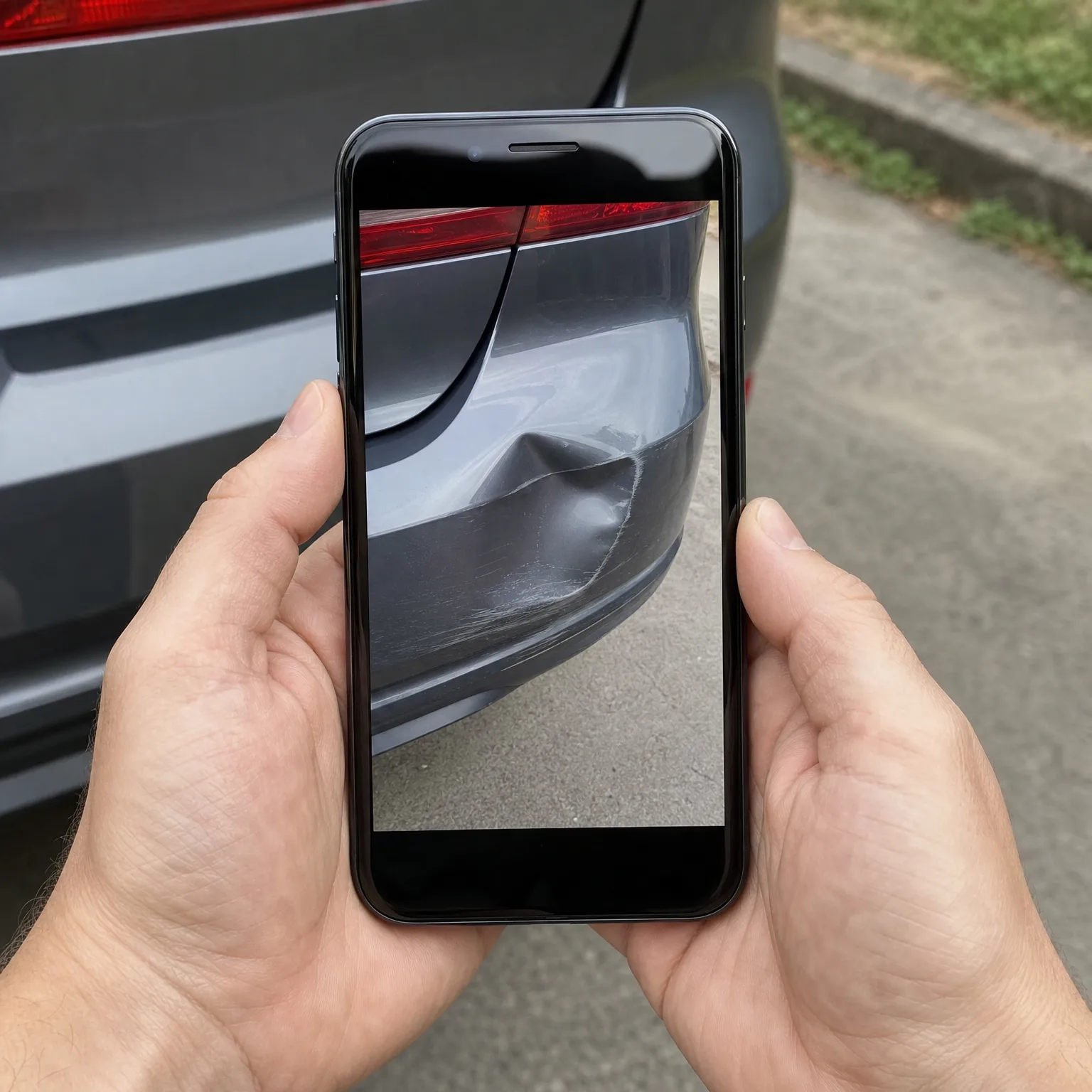
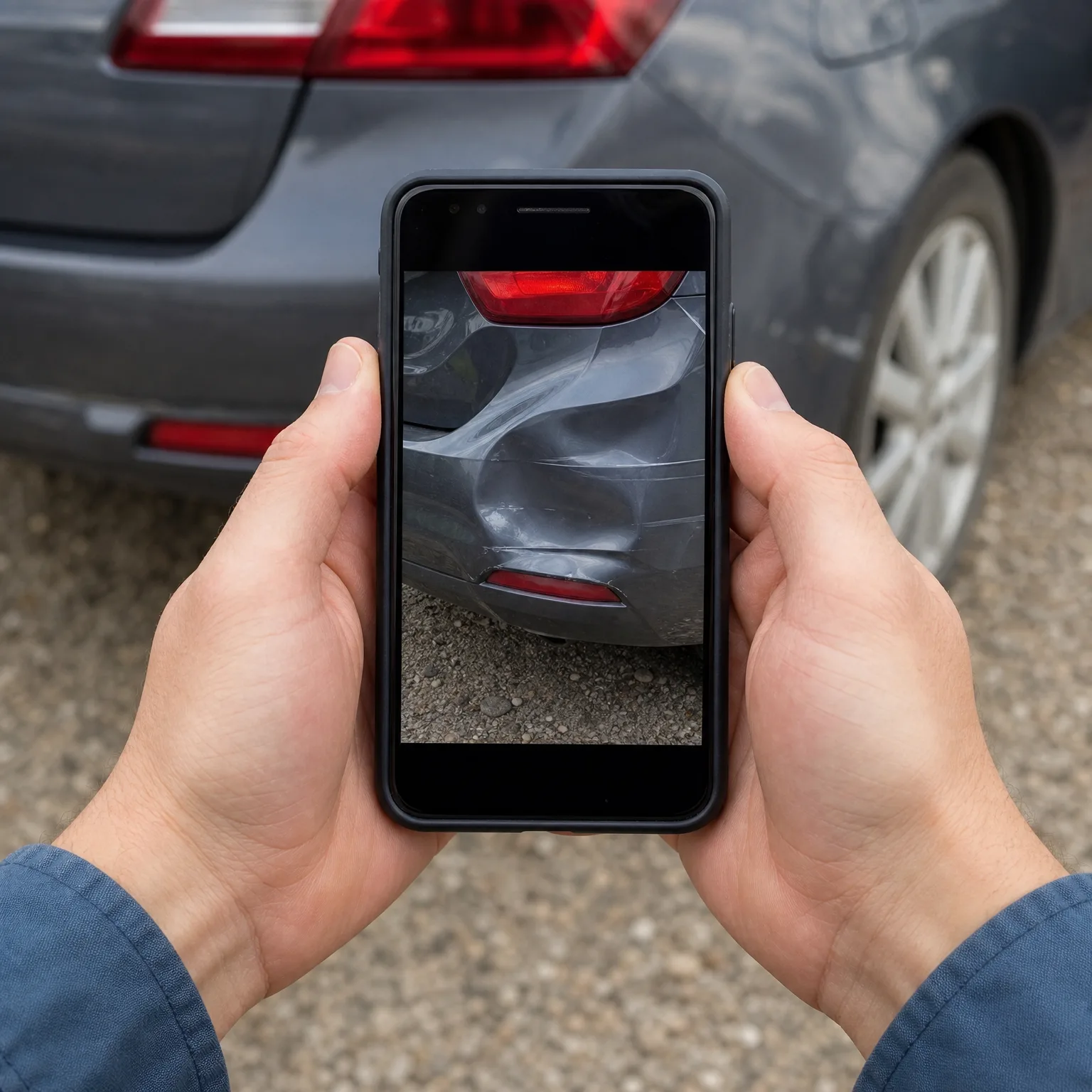
A driver let her policy lapse for about three weeks after switching jobs and missing the new insurer's first payment. She didn't think much of it until she backed into another car in a parking lot, denting both bumpers. Because she had no active policy that day, her old insurer wouldn't touch the claim and she had no new one yet either.
She ended up paying the other driver's repair costs out of pocket after they got two shop estimates and negotiated directly. She also got a notice from her state asking her to prove current insurance within a set window or risk losing her registration. She bought a new policy immediately, sent proof to the state, and avoided the registration suspension. The accident still shows in her claims history, and she noticed quotes ran higher for a while after, but having continuous coverage from that point on helped it fade.
Will this accident follow me forever on my insurance record?
No, but it will matter for a while. Insurers typically look back a few years when pricing a policy, so a lapse-related accident tends to affect your quotes most in that window. As it ages out of that lookback period, its weight on your pricing fades.
What matters more going forward is what you do immediately after. Getting a new policy in place right away and keeping it continuous shows insurers you've stabilized. A single accident during a lapse, followed by years of steady coverage, reads very differently to an insurer than a lapse with no clear resolution. The accident itself doesn't disappear from your history, but its influence on price and underwriting decisions diminishes as continuous, current coverage replaces it as the more recent story.
Now that you know what's at stake, compare quotes today and close the gap before anything else happens.
Can I still be sued after I get new insurance if the accident happened during the lapse?
Yes. New insurance only covers you going forward, not accidents that happened before the policy started. Liability from the lapse period stays yours personally, and the other driver can still pursue payment through a claim or lawsuit regardless of what coverage you have now.
Does an accident during a lapse count the same as driving uninsured on purpose?
For penalty purposes, usually yes. Most states and insurers look at whether you had coverage at the moment of the accident, not why you didn't. Check your state's DMV rules, since some do allow explanations for short, unintentional gaps in certain situations.
How do insurers find out an accident happened while I was uninsured?
Through the claim itself and state reporting systems. When a claim is filed, insurers check coverage dates, and most states require accidents to be reported regardless of insurance status. This creates a record that future insurers can see when you apply.
The real risk isn't the lapse, it's being in it when something goes wrong, so close it before you drive again.