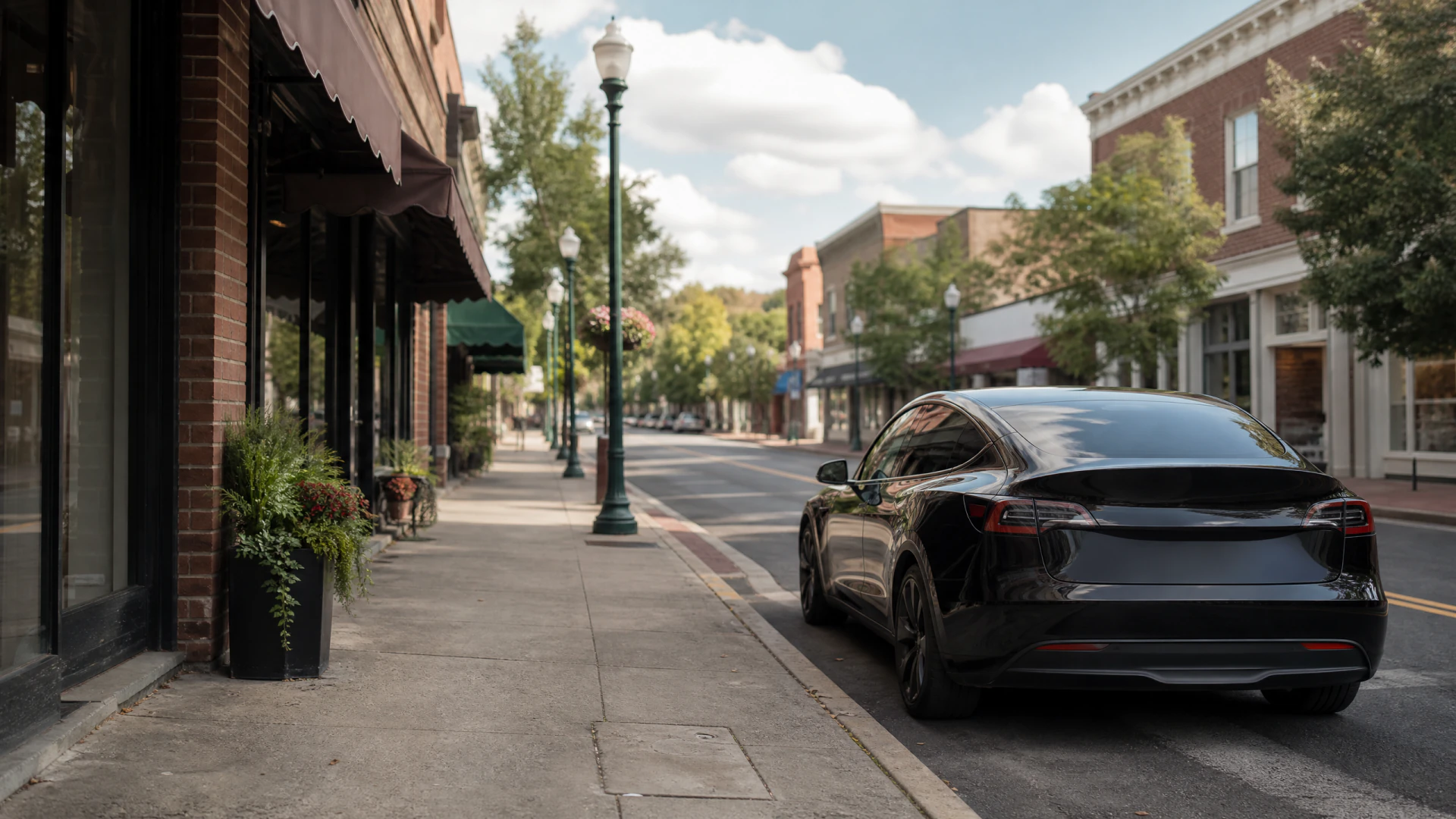
Buying a Car After Having Non Owner Insurance
The moment you own a car, your non owner policy stops being enough, and you'll need a standard policy that covers the car itself.
Non owner coverage was built for someone without a car
Non owner insurance exists for people who drive sometimes but don't own a vehicle. It covers your liability when you're behind the wheel of someone else's car, but it was never meant to protect a vehicle you own. Once you own a car, that gap becomes a real problem, because nothing in your old policy pays for damage to the car or liability tied to it as a registered asset.
This is also why insurers treat the switch as a new policy, not an upgrade. A standard auto policy looks at the car's value, how you'll use it, and who else might drive it. Your non owner history still matters because it shows you kept continuous coverage, which most insurers reward, but the policy itself has to be rebuilt around the vehicle.
The timing matters too. Most states require the car to be insured before it's registered or titled in your name, so you can't wait until after the paperwork is done. Lenders, if you're financing, usually require proof of a standard policy before they'll release funds, which forces the switch to happen at the point of sale rather than after.
What varies is how much your non owner period actually helps on price. Some insurers treat it the same as any continuous coverage and reward it fully. Others weigh it less than a standard policy history. It's worth asking directly how a given insurer treats non owner coverage when you request quotes, since the answer isn't consistent across the industry.

What to do before you drive the car home
- Get quotes early Shop for a standard policy using the car's details before the purchase is final. This avoids a scramble at the dealership and lets you compare real prices ahead of time.
- Cancel the old policy Don't let it lapse on its own or run alongside your new policy. Cancel it once the standard policy starts so you're not paying for two policies you don't need.
- Match the effective date Your new policy needs to start the moment you take possession of the car. Set this with your insurer in advance so there's no gap between leaving the lot and being covered.
- Give exact vehicle details Give exact make, model, year and VIN when you quote. Incomplete details can lead to a price change once the policy is finalized, so accuracy upfront avoids surprises.
- Ask about your history credit Insurers differ in how much credit they give for non owner coverage. Ask directly so you understand whether your history is working in your favor.
Will my insurance cost more now that I own a car?
Likely yes, and that's normal. Non owner policies are priced only for your liability as a driver, not for a vehicle. Once you own a car, your policy has to account for its value, repair costs, and the risk of it being damaged or stolen, which adds cost that wasn't there before.
How much more depends on the car itself. A newer or more expensive vehicle costs more to insure than an older, modest one. Your driving record and the coverage limits you choose also shape the price. The continuous coverage you kept during the non owner period should help keep the increase smaller than it would be if you'd had a lapse, but it won't eliminate the jump entirely.
The best way to know the real difference is to get quotes with the actual car's information before you commit to buying it.
Compare standard auto quotes now so you know the real cost before you finalize the purchase.

Switching to a standard policy before you take the car
If you do
You arrive with proof of a standard policy already active. The dealer or seller releases the car without delay, your registration goes through cleanly, and there's no gap in coverage. Your non owner history helps keep the new price reasonable since you've shown continuous coverage.
If you don't
You can't complete registration or financing because no policy covers the vehicle. Dealers typically won't release the car, and if you drive it anyway, you're uninsured for damage or liability involving that specific vehicle. You'll end up arranging coverage under pressure, often at a worse rate.
Switching coverage the week of a car purchase
Someone had kept non owner insurance for over a year while borrowing a relative's car occasionally. They found a used car they wanted to buy and started requesting standard auto quotes three days before the purchase, giving each insurer the car's year, make, model and VIN from the listing. They compared the quotes and picked one, then asked the insurer to set the effective date to match the day they planned to pick up the car.
At the dealership, they showed proof of the new standard policy, which let the sale and registration go through without issue. The same day, they called to cancel the non owner policy, timing it so there was no overlap and no gap. The new premium was higher than the non owner policy had been, but because they'd had continuous coverage, the increase was smaller than quotes they saw from a friend who'd had a lapse. The whole switch took under a week and caused no delay in getting the car.