Insurance Overlap When Changing Cars
You can insure two cars at once for a short overlap, and most insurers expect you to do it this way when you're switching vehicles.
What to do when you'll own two cars for a few days
- Call before you drive it Tell your insurer about the new car before it touches the road, even for one trip. Most policies won't cover a vehicle they don't know about yet, no matter how short the gap is.
- Ask for a temporary overlap Insurers can usually add the new car and keep the old one active for a set window while you sell or return it. Ask specifically for this instead of assuming it happens automatically.
- Expect a short cost increase Insuring two cars at once costs more than insuring one, even briefly. This is normal and temporary, not a sign something went wrong with your policy.
- Remove the old car right away As soon as you sell, trade in, or return the old car, call to take it off your policy. Leaving it on past that point means paying for coverage you don't need.
- Keep records of both dates Save the bill of sale or trade-in paperwork and the date your new car was titled or registered. If your insurer questions the overlap later, these dates settle it.
Trading in a car before the new one arrives
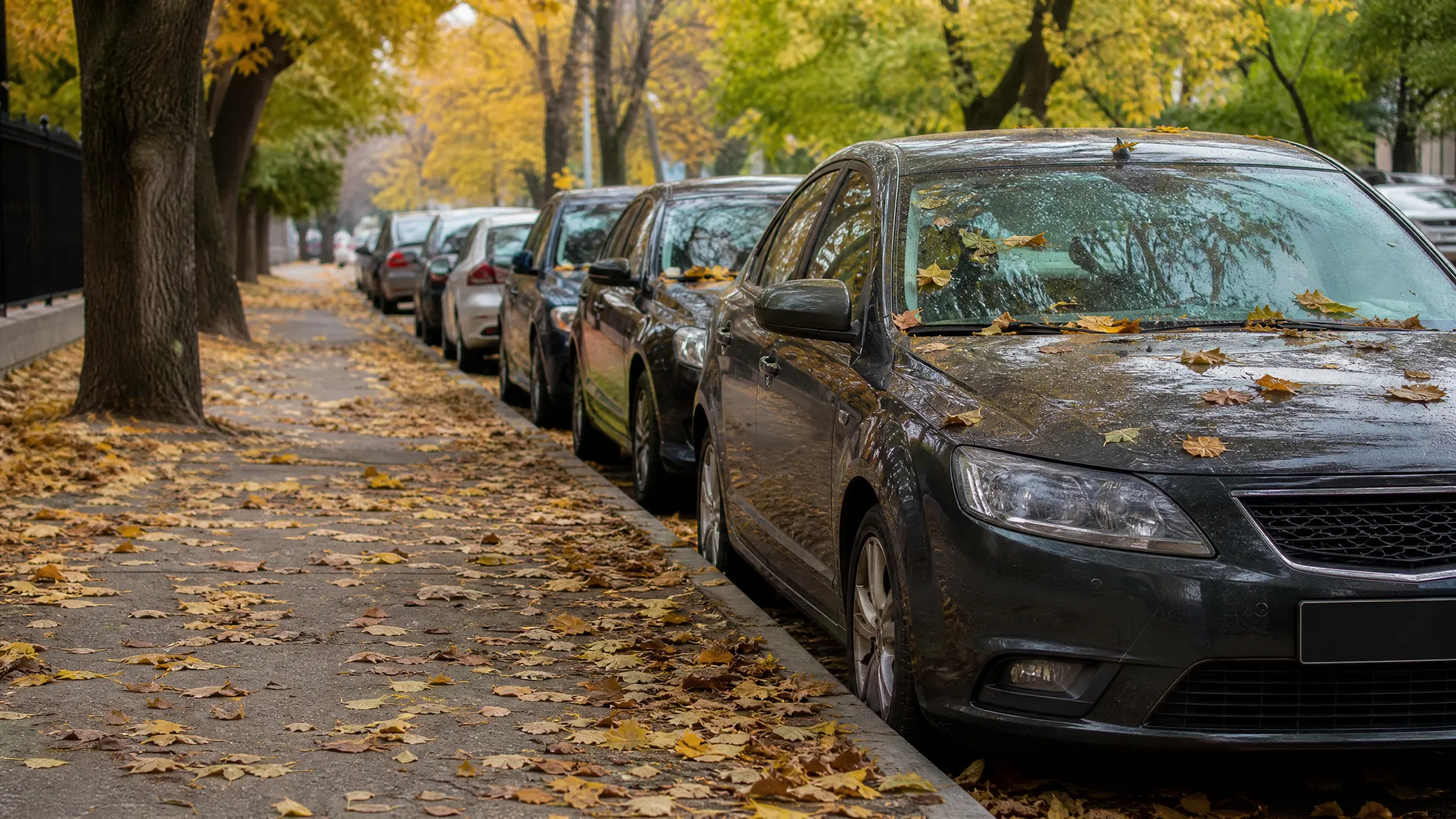
Someone ordered a new car and expected it in about a week, but their trade-in was still sitting in the driveway since the dealer hadn't picked it up yet. They called their insurer the day the new car arrived to add it to the policy, rather than waiting until the old one was gone. The insurer added the new vehicle immediately and kept the trade-in listed too, since it technically still belonged to them and was still parked on the street.
For four days both cars were insured under the same policy, and the bill reflected a small combined increase for that stretch. Once the dealer came for the trade-in, they called again that afternoon, removed it, and the price dropped back down to cover just the new car. Because they called both times and kept the trade-in paperwork with the date, there was never a moment where either car sat uninsured, and nothing about the brief overlap caused a problem later.
Does the overlap count against me or affect my rate long-term?
No, a short planned overlap between two cars doesn't count against you or follow your record. Insurers see this constantly and have a standard way of handling it, because people rarely sell one car and receive another on the exact same day.
What affects your rate going forward is the new car itself, since the make, model, and value of the vehicle you're insuring is what pricing is based on, not the fact that you briefly had two cars on one policy. Once the old car is removed, your policy and your rate settle back to reflecting just the car you currently own.
The only way an overlap causes a problem is if you don't report it and the insurer finds out after a claim. Reporting both cars as soon as each change happens is what keeps this uneventful.
Once your overlap is set up correctly, compare quotes to make sure you aren't overpaying once the old car is gone.

Call your insurer before the new car moves, or wait and hope
If you do
You call before driving the new car, both vehicles are covered the moment you need them to be, and the brief double coverage shows up clearly on your bill with a clear reason. When the old car leaves, one call removes it and the price adjusts right away.
If you don't
You drive the new car assuming it's automatically covered, and if anything happens before you've reported it, the insurer may deny the claim entirely. You also risk accidentally leaving the old car insured for weeks after it's gone, paying for a vehicle you no longer own.
Can I drive my new car home from the dealer before calling my insurer?
Some policies extend short automatic coverage to a newly purchased car, but this isn't universal and depends on your specific insurer and policy terms. Check your policy documents or call ahead of the purchase, since relying on an assumption here is risky. The safest move is calling before you leave the lot, which takes a few minutes and removes any doubt about whether you're covered on the drive home.
What if I'm keeping both cars instead of selling one?
Then there's no overlap to manage, you're simply adding a second car to your policy permanently, which most insurers handle as multi-car coverage. This often comes with a discount rather than a penalty, since insuring multiple vehicles under one household policy is common. Ask your insurer specifically about multi-car pricing, since the overlap guidance for temporary situations doesn't apply once you intend to keep both long-term.
Do I need to overlap insurance if I'm buying from a private seller instead of a dealer?
Yes, the same rule applies regardless of where you bought the car, since what matters is when you take possession and drive it, not who sold it to you. Private sales often move faster than dealer transactions, so call your insurer as soon as you agree to the purchase rather than after you've already driven away. The timing risk is actually higher here because there's no paperwork delay to give you a buffer.