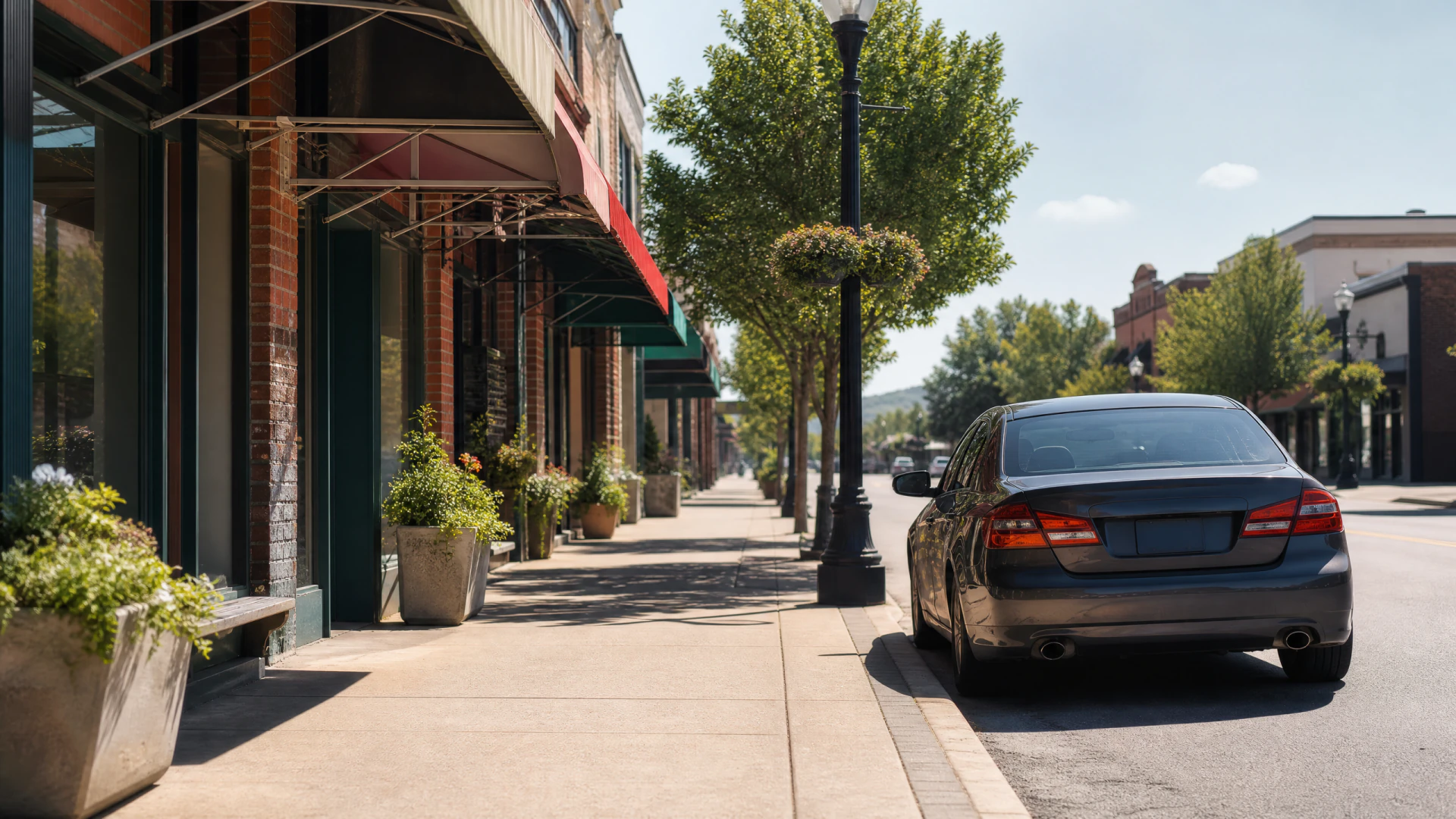
Is Cancelling a Car Insurance Policy Bad
Cancelling itself isn't bad, but the gap in coverage it can leave behind is what costs you later.
Switching insurers without lining up the start date
Someone got a better quote from a new insurer and called their old one to cancel the same day. The new policy wasn't set to start for another week, so they figured they'd just be careful about driving in the meantime. A few days later they needed to move the car for a delivery and got a notice from the state flagging a lapse in coverage, since the DMV saw the old policy end with nothing replacing it right away.
They called the new insurer to see if the start date could move up, and it could, so the gap closed after a few days instead of a full week. When they shopped for insurance again the next year, the short lapse still showed up and pushed their quotes up slightly compared to what they'd been quoted before. They learned the lesson for next time: cancel the old policy on the exact day the new one begins, not before.

The short version
Cancelling isn't bad on its own. It only costs you if it leaves a gap with no coverage in between, because insurers see that gap and treat you as higher risk. The fix is simple: line up your new policy's start date with your old policy's end date before you cancel anything.
How long does a lapse in coverage affect my rates?
It depends on the insurer, but a lapse typically affects your rates for a period of time after it happened, not forever. Insurers look back over a set window when they price a new policy, and once the lapse falls outside that window, it stops being part of the calculation.
The length of that look-back window varies by company and sometimes by state, so a short lapse with one insurer might matter less to another. If your rates went up because of a lapse, ask the insurer directly how long it affects pricing and what would need to happen for it to stop counting. Keeping continuous coverage from this point forward is what moves you past it fastest.
Compare quotes now that you know a clean handoff, not the cancellation itself, is what protects your rate.

Cancel only after the new policy is active
If you do
You stay insured the entire time, with no gap for the state or future insurers to notice. Your driving record and coverage history stay clean, and any quotes you get later are based on your actual risk, not on a lapse that has nothing to do with how you drive.
If you don't
If you cancel before the new policy starts, even by a day, you create a lapse. Your state may flag your registration, you could be driving uninsured without realizing it, and future insurers will see the gap and price you as higher risk for a while.

What actually matters when you cancel
- Timing with the new policy Cancel on the exact day your new coverage starts, not before. Call both insurers if you need to, and confirm the dates line up before you hang up.
- Reason for cancelling Switching insurers, selling the car, or no longer driving it are all normal and don't hurt you. Just make sure the coverage, not just the vehicle, is accounted for the whole time.
- State registration rules Some states check insurance against your registration automatically and flag any gap. Check your state's process so a brief lapse doesn't turn into a bigger notice or fee.
- Unused cars still need coverage A car sitting in the driveway can still need some form of coverage in many states, even if you're not driving it. Ask your insurer about reduced coverage instead of cancelling outright.
- How insurers see it A policy cancelled by you is treated differently than one cancelled by the insurer for nonpayment. Keep records of why and when you cancelled in case a future insurer asks.