What Does Car Storage Insurance Cover
Storage coverage (usually comprehensive-only) pays for fire, theft, weather or vandalism damage, but not for driving the car.
What a storage policy actually pays for
- Comprehensive-only damage This covers theft, fire, falling objects, weather and vandalism while the car sits still. It does not cover a collision, because you're not supposed to be driving it.
- No liability protection If the car isn't driven, you don't need liability coverage for it. Check your state's rules though, since some still require minimum liability even on a stored vehicle.
- No collision coverage Collision only applies to driving accidents, so it's dropped during storage. If you move the car even a short distance, you're not covered for a crash.
- Lower premium while parked Because the risk is smaller, the cost drops compared to full coverage. Ask your insurer exactly what counts as 'storage' so you don't lose the discount by accident.
- Gap when you start driving again The moment you drive the car, you need full coverage again, not just comprehensive. Switch back before you put the key in the ignition, not after.
Can you drive the car at all while it has storage coverage?
Generally, no. Storage coverage assumes the car is parked and not operated, and that assumption is exactly what makes the lower cost possible. If you drive it, even briefly, you're exposed because there's no collision or liability coverage behind you.
Some insurers allow occasional short moves, like pulling a car out to start the engine or reposition it in a garage, without canceling the storage terms. Others are stricter and consider any road use a violation of the policy. This varies by insurer, not by state, so the only way to know is to ask directly what's allowed before you assume a quick drive around the block is fine.
If you expect to drive the car at all regularly, even occasionally, storage coverage isn't the right fit and you should look at a full policy instead, possibly with usage-based pricing if the car is driven rarely but legally.
Now that you know what storage coverage protects, compare quotes to see what a parked-car policy would cost.
A convertible parked for the winter
Someone stores a convertible in a garage every winter and switches to storage coverage in late fall. One January night, a branch falls on the garage roof and dents the hood. They file a claim and it's covered without issue, because this is exactly the kind of damage comprehensive-only coverage is meant to pay for. The car never left the garage, so there was no question about whether driving voided the policy.
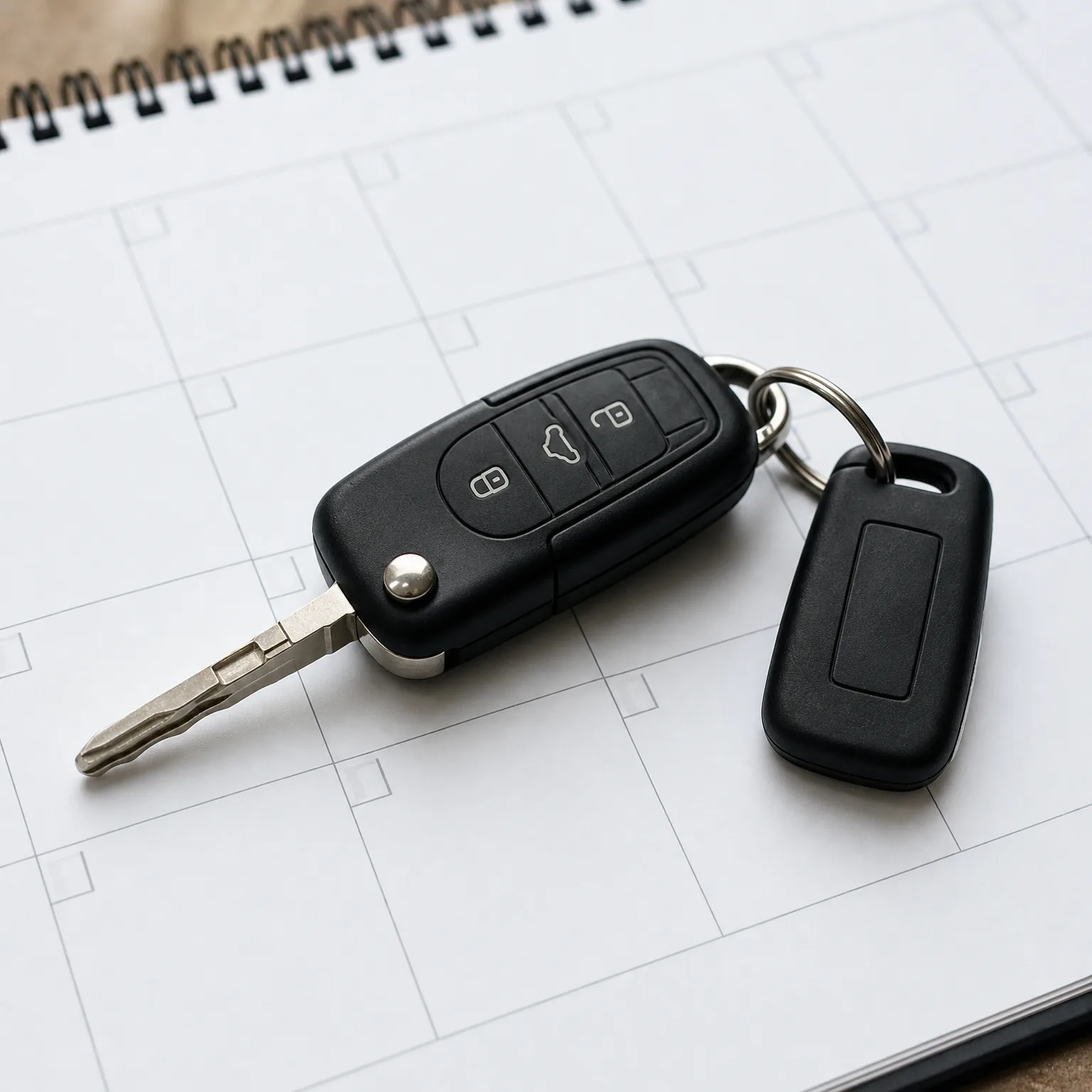
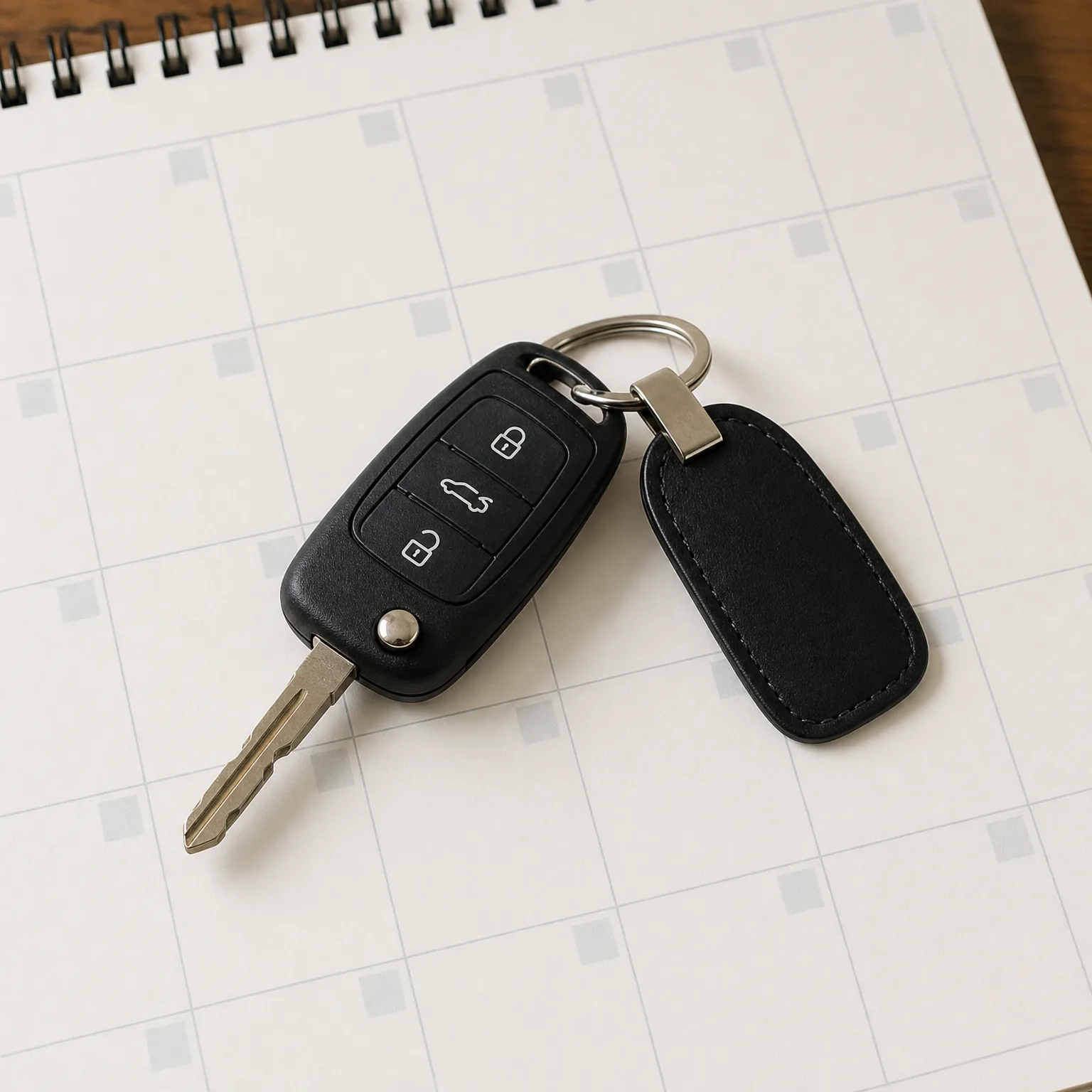
The following spring, they forget to switch back to full coverage before taking the car out for its first drive of the season. Three days later, someone backs into them in a parking lot. Because the policy was still comprehensive-only, there's no collision coverage to pay for the damage to their own car, even though the other driver was at fault for the incident itself. They end up paying out of pocket for repairs that would have been covered under a standard policy. After that, they set a calendar reminder to switch coverage back a few days before they plan to start driving again, not the same day.
Storage coverage protects the car, not you as a driver, so switch back before you drive, not after.
Does storage insurance cover a car in a driveway or only in a garage?
It depends on your insurer, not on a general rule. Many insurers allow driveway storage as long as the car isn't being driven, while others require it to be in an enclosed garage to qualify for the lower rate. Ask specifically what location requirements apply, since filing a claim on a car stored somewhere that violates the policy terms can get the claim denied even if the damage itself was covered.
Do I need to cancel registration to get storage insurance?
Not usually, but check your state, since this is one of the places rules genuinely differ. Some states let you keep a car registered while uninsured for driving as long as it's not on the road, while others require you to formally declare it non-operational or surrender plates. Doing one without checking the other can trigger a registration penalty even if your insurance is fine.
What happens if I get caught driving with only storage coverage?
You'd be treated as uninsured for anything collision or liability related, since storage coverage doesn't include either. If you cause an accident, you pay out of pocket for the other driver's damages and your own, and your insurer may also flag the policy violation, which can affect future coverage and rates. The safest approach is switching back to full coverage before the car moves at all, not after.