How Bad Is a Minor Car Accident Without Insurance
Even a small accident without insurance can cost you your license, your money, and your ability to drive legally for a while.
Why a small crash turns into a big problem fast
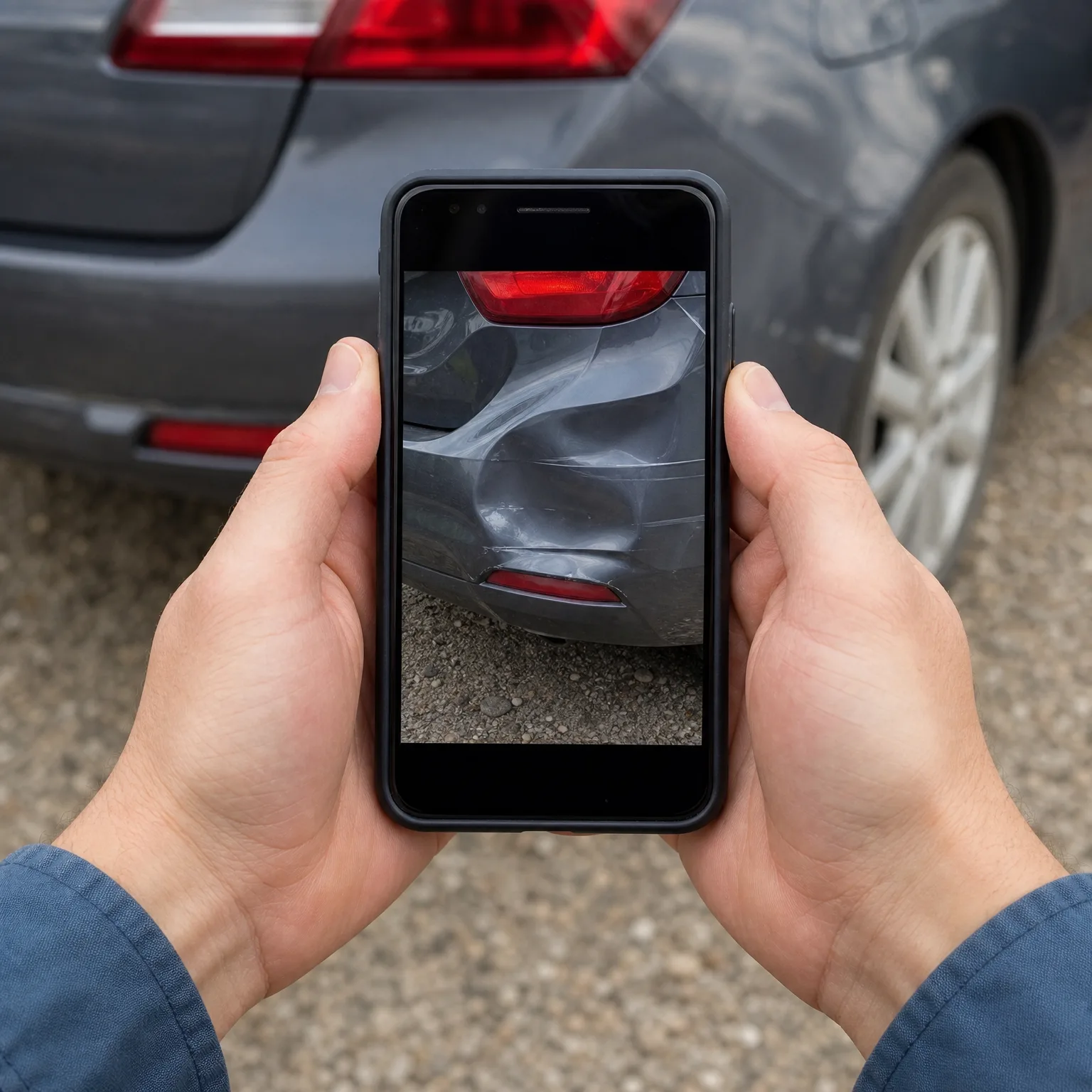
A minor accident is small because of the damage, not because of the consequences. The moment police or the DMV learn you were driving uninsured, the accident itself becomes almost secondary. Most states treat driving without insurance as its own violation, separate from whatever happened in the crash, and that violation carries its own penalties regardless of how minor the collision was.
Without insurance, there's no company standing between you and the other driver's repair bill. Even a small dent or bumper scrape has a real cost, and normally your insurer negotiates and pays it. Without that buffer, you're personally on the hook for whatever the other driver claims, and if they decide to get an estimate or involve a shop, that number can climb past what seems reasonable for a minor accident.
The other complication is your own vehicle. If you caused the accident and had no insurance, there's no coverage paying for your car's damage either, no matter how small. You absorb that cost directly, on top of anything owed to the other driver.
What varies is how your state handles the uninsured part. Some suspend your license or registration automatically once it's reported, others add fines or require you to prove future coverage before you can drive legally again. Check your state's DMV rules so you know which of these applies to you.

What a minor accident without insurance actually triggers
- A separate violation Driving uninsured is often its own offense, charged regardless of who caused the crash. Check your state's penalty for this specifically, not just the accident itself.
- Personal liability for damage You may owe the other driver's repair costs directly, with no insurer negotiating on your behalf. Get everything in writing before agreeing to pay anything.
- No coverage for your own car Without insurance, your vehicle's damage isn't covered even if the accident was minor. Budget for this before assuming it's a small expense.
- A license or registration hold Some states suspend these once an uninsured accident is reported. Confirm with your DMV whether this applies and what it takes to lift it.
- A record that follows renewals Insurers may see the lapse or incident when you reapply. Ask any new insurer directly how they treat it before you commit to a quote.

Once you know what this accident actually costs you, compare quotes to get covered again without guessing.

Do you report the accident or try to handle it yourself
If you do
Reporting it creates an official record, which can trigger fines or a license hold tied to the uninsured violation. But it also protects you legally, gives you documentation, and starts the process of resolving it so it doesn't resurface later when you apply for insurance or renew your registration.
If you don't
Skipping the report might avoid immediate penalties, but if the other driver reports it, or damage shows up later, you'll have no documentation and fewer options. Unreported accidents can also void any chance of resolving liability fairly, leaving you exposed to a larger claim down the line.
A fender bender in a parking lot
Someone backs into a parked car in a grocery store lot. Both cars have minor scrapes, nothing that looks expensive. The driver who was hit doesn't have insurance right now because their policy lapsed two months earlier when they switched jobs and forgot to set up new coverage. They exchange information, and the other driver mentions getting an estimate.
A few days later, the estimate comes back higher than expected because the shop found damage to a sensor behind the bumper. Without insurance, the uninsured driver has no one negotiating the amount and ends up paying it directly, out of pocket. They also discover their state received a report about the accident, and because they were uninsured, their registration gets flagged. They have to show proof of new coverage before it's lifted. The accident itself was minor, but the lack of insurance turned it into a multi-week process involving a repair bill, a DMV hold, and a scramble to get a policy reinstated quickly.
Will this accident make future insurance more expensive?
It can, but not always as much as people fear, and not forever. Insurers look at both the lapse and the accident when pricing a new policy, since both signal risk. A minor accident with no injuries and a clean explanation for the lapse tends to matter less than a pattern of lapses or at-fault accidents over time.
What affects the outcome most is how quickly you get covered again and how you explain the gap. Some insurers ask directly why your coverage lapsed, and a clear, reasonable answer, like a job change or a missed renewal notice, is treated differently than repeated gaps. Shopping around matters here too, since insurers weigh accidents and lapses differently. Check with a few directly rather than assuming one quote reflects what you'll pay everywhere.