How to Settle a Car Crash Without Insurance
You settle it by negotiating directly with the other driver, agreeing on an amount, and getting it in writing before paying.
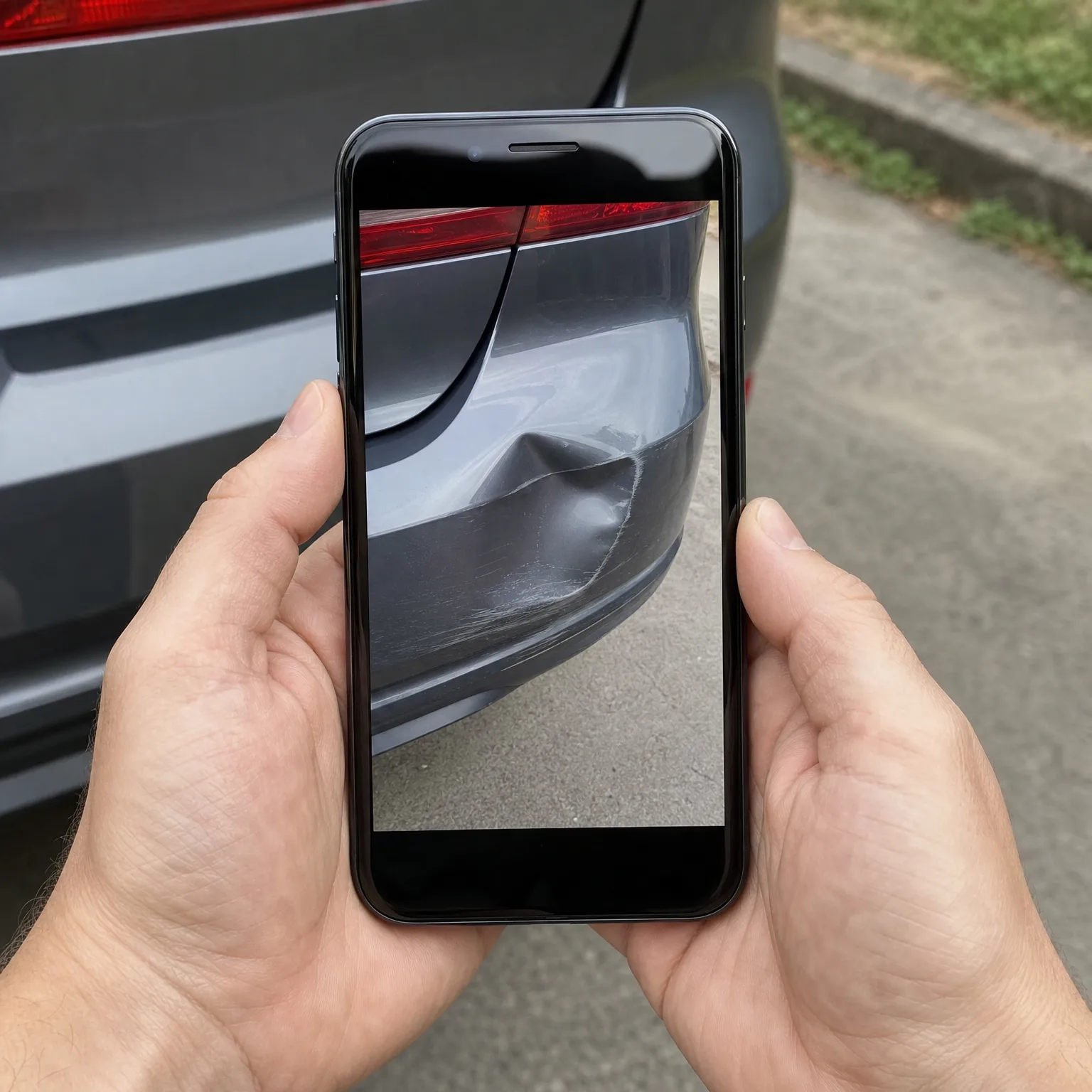
What actually gets this resolved
- Get the real damage amount first Don't offer or accept a number until you have a repair estimate or bill in hand. Guessing low now can cost you more later if the damage turns out worse.
- Put everything in writing A verbal agreement protects no one once money is involved. Write out what happened, what you agreed to pay, and get both signatures before you pay anything.
- Get a signed release first This is the document that ends the matter for good. Without it, the other driver can still come after you later even after you've paid.
- Know your reporting rule Many states require you to report a crash over a certain severity regardless of how you settle privately. Check your state's reporting rule so you don't create a separate legal problem.
- Check if you can afford this Without insurance, you're personally on the hook for the full amount. If the damage is serious, a payment plan in the agreement protects you from a lump sum you can't make.
A fender bender settled in a parking lot
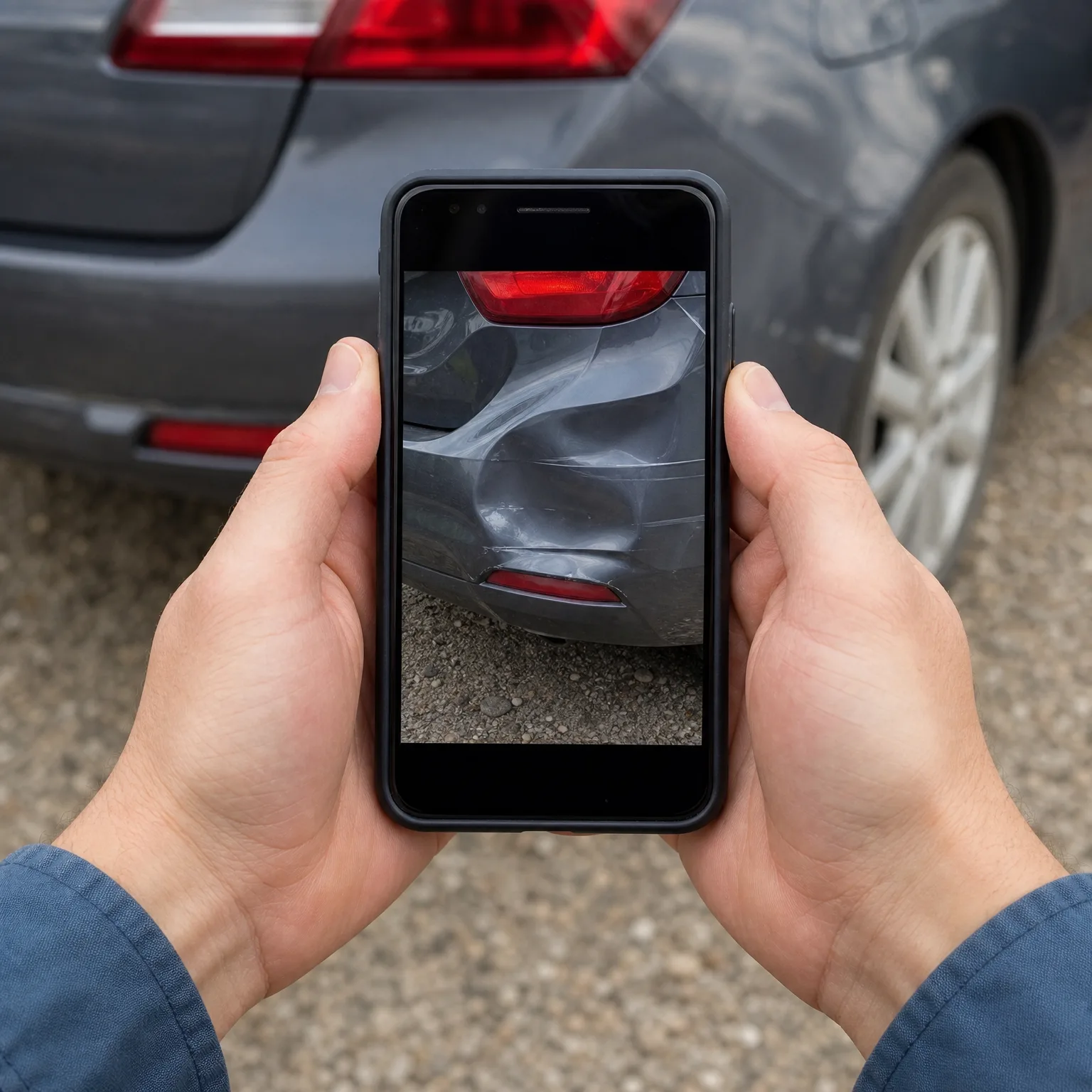
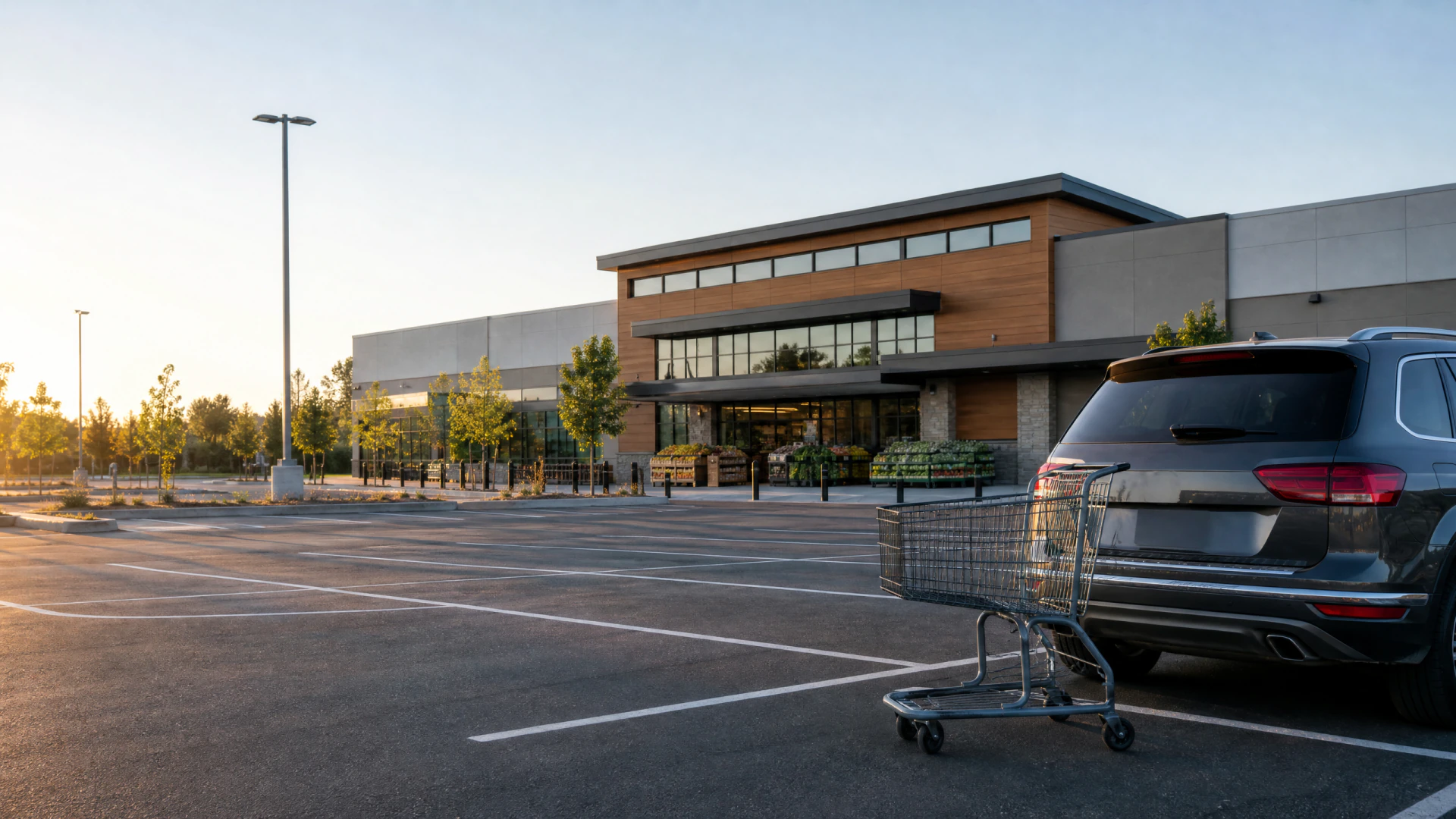
You back into another car while parking and leave a dent in their bumper. No one is hurt, the damage looks minor, and neither of you wants police involved or a claim on record. You exchange information, take photos, and the other driver gets a repair estimate from a body shop shortly after.
The estimate comes back higher than either of you expected, so you ask for an itemized breakdown before agreeing to anything. Once you confirm the number is reasonable, you write a short agreement stating the amount, the payment method, and a line releasing you from further liability for that incident. You pay by bank transfer so there's a record, both of you sign, and the other driver provides a signed release. The crash never becomes a lawsuit because the paperwork closed it cleanly, and you both move on without an insurer ever entering the picture.
Can the other driver still sue me after we settle?
Not if the settlement included a signed release of liability specific to that crash. That document is what legally ends their ability to come after you again for the same incident, even well after the fact. Without it, a handshake deal or a one-time payment alone doesn't stop a lawsuit, because there's no proof you both agreed the matter was closed.
This is why the release matters more than the payment itself. People sometimes pay in good faith, assume that settles things, then get served papers later when the damage turns out worse than first thought or medical issues appear. A proper release, dated and signed by both parties, is the only thing that reliably closes the door. If the other driver won't sign one, that's a sign to slow down before paying anything.
Once this crash is settled, compare quotes so you're not facing the next one without coverage.

Settling privately instead of involving an insurer
If you do
You control the outcome directly, often resolve things faster than a claims process, and avoid a claim showing up on anyone's record. But you carry full responsibility for getting the paperwork right, and you're paying out of pocket with no insurer backing the amount.
If you don't
If you skip a private settlement and the other driver reports it instead, you may face a claim against you, a citation if you were uninsured illegally, or a lawsuit if damages are serious. The process moves out of your hands and into theirs.
Why a private settlement works the way it does
A car crash settlement, with or without insurance, is really just a private contract. One person agrees to pay for damage they caused, the other agrees to accept that payment instead of pursuing a claim or lawsuit, and both sign something making that agreement enforceable. Insurance normally handles this process for you, verifying damage, negotiating the amount, and issuing the release. Without it, you're doing each of those steps yourself, which is possible but requires more care.
The reason documentation matters so much is that verbal agreements don't hold up well if someone changes their mind. A repair shop invoice that comes back later for more than the original estimate, a sudden neck pain claim, a disagreement over what was actually promised, any of these can turn an informal deal into a dispute with no paper trail to settle it. The release of liability exists specifically to prevent that outcome.
Where this gets more complicated is when injuries are involved, even minor ones. Medical issues from a crash don't always show up immediately, and a release signed too early can leave the other driver without recourse if symptoms appear later, which sometimes leads them to refuse a quick settlement. It can also get complicated if the vehicle has a lien or loan on it, since the lender may have a legal interest in how repair funds are used. In those cases, involving a lawyer or at least a notary before finalizing anything is worth the extra step.
State law also affects this in one specific way. Many states require crashes over a certain severity to be reported to the DMV or police regardless of whether you settle privately. Check your state's threshold, because settling privately doesn't exempt you from that separate reporting requirement, and failing to report when required can create its own legal exposure.
Is it illegal to drive without insurance if I settle privately?
Settling privately doesn't change whether you were required to have insurance at the time of the crash. If your state mandates coverage and yours had lapsed, you can still face a fine or citation for driving uninsured, separate from however you resolve the damage itself. Check your state's penalty for a lapse, since some are minor and some affect your registration or license directly. Settling the crash and settling the legal requirement are two different things.
What if the other driver wants more money after I already paid?
If you have a signed release of liability, they generally can't legally demand more for that same incident. Without one, they may try, and you'd have to rely on proof of what was agreed, like texts, a written note, or payment records. This is exactly why getting a signed release matters before paying. If new damage appears that genuinely wasn't part of the original agreement, that becomes a separate question a lawyer can help answer.
Should I get a lawyer involved for a small crash settlement?
For minor damage with no injuries, most people settle without one and it works out fine. A lawyer becomes worth the cost when injuries are possible, the damage amount is large relative to what you can pay, or the other driver seems uncertain or hesitant to sign a release. A short consultation, even without full representation, can also help you word the agreement correctly for your state.