What Happens in a Car Accident Without Insurance
You become personally responsible for the damage and injuries, and your state can suspend your license until you prove coverage again.
Why the fallout lands squarely on you
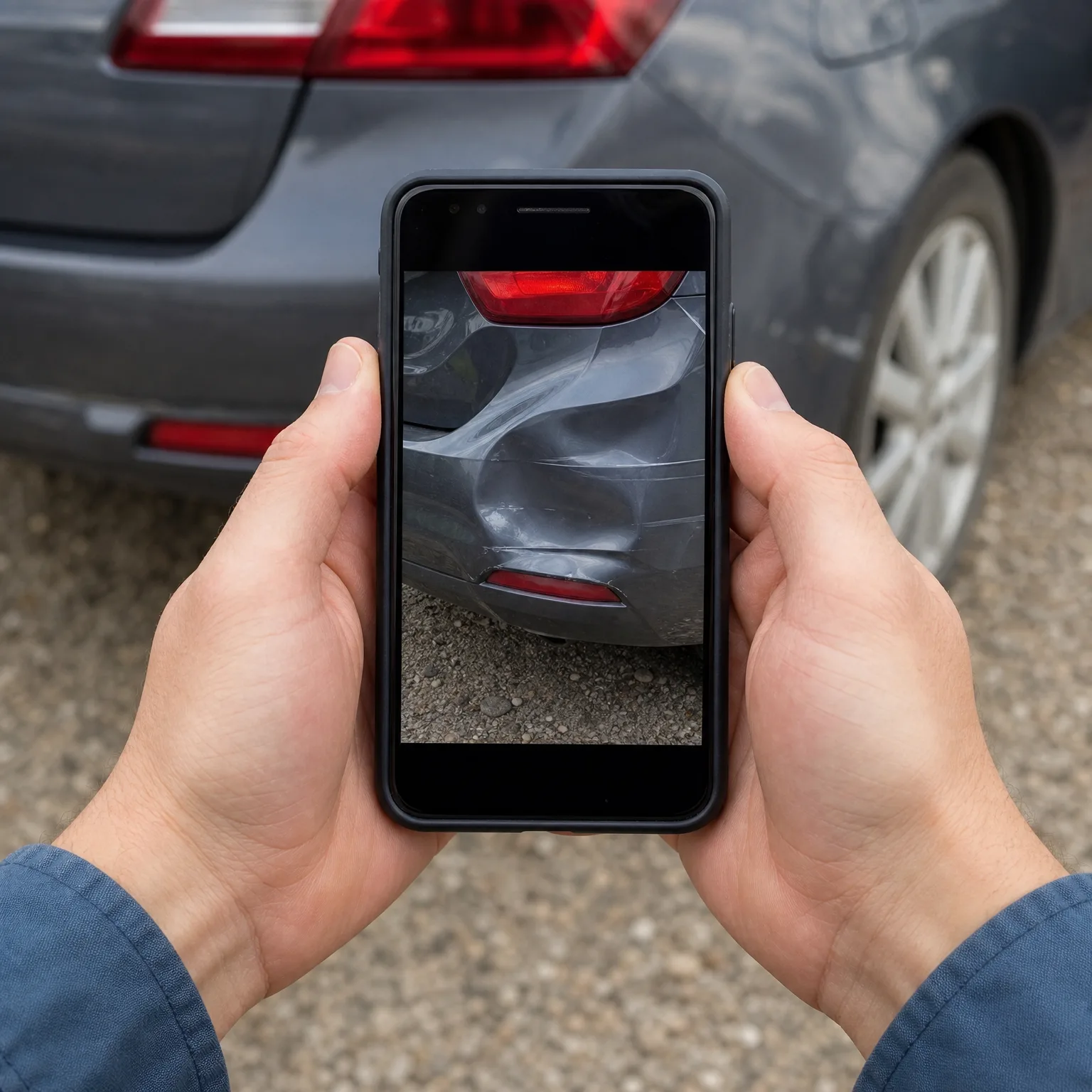
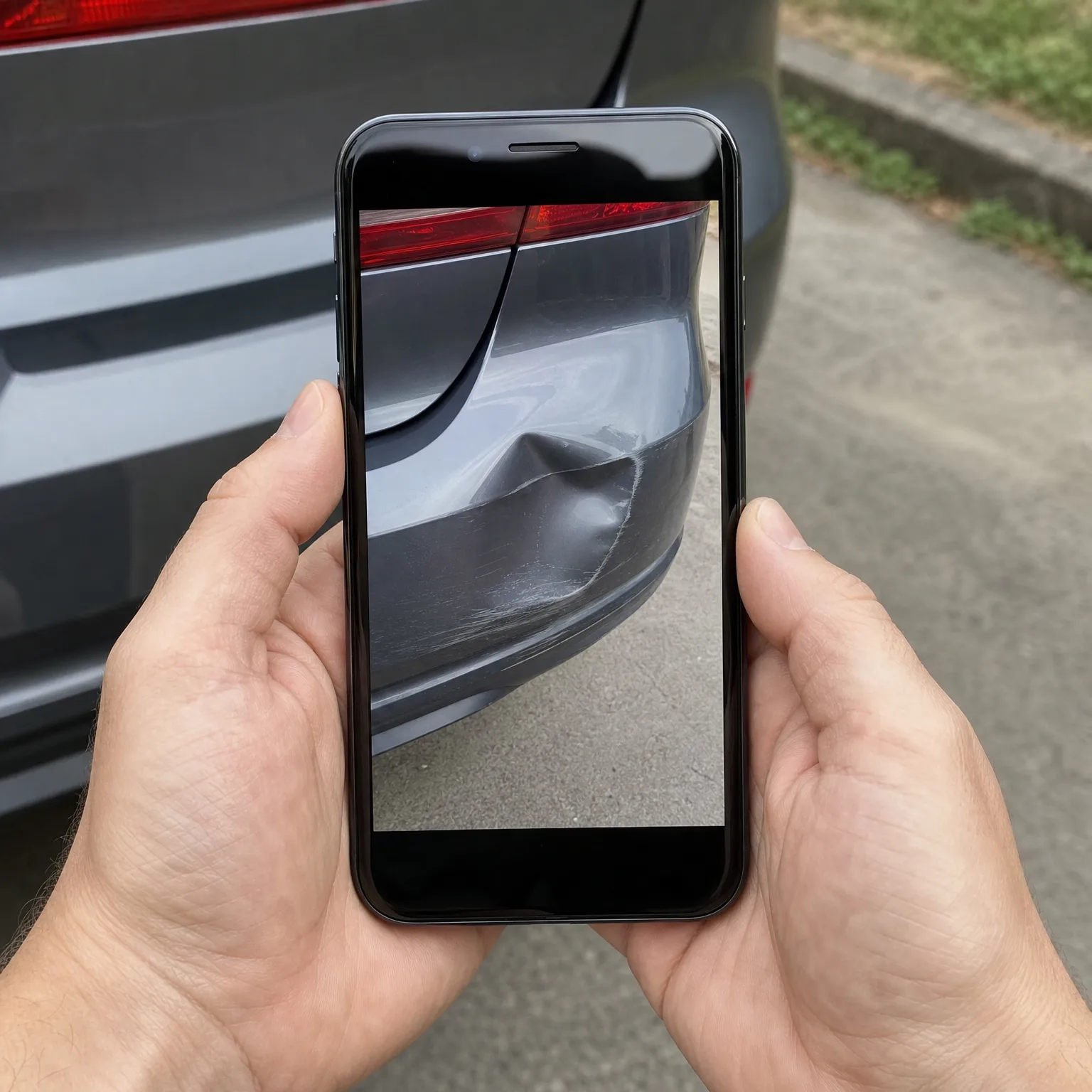
Insurance exists to stand between you and the cost of a crash. When it isn't there, that cost doesn't disappear, it just moves directly onto you. The other driver's repair bill, their medical care, any income they lose while they recover, all of it becomes a debt you owe personally instead of a claim an insurer pays.
States also treat the lapse itself as a problem, separate from the crash. Most require proof of insurance to keep your license and registration valid, so a crash without coverage often triggers its own penalty on top of whatever you owe the other driver. What exactly happens, suspension, fines, or a required filing to prove future coverage, depends on your state, so check with your state's motor vehicle agency for specifics.
If the crash was your fault, you're exposed to a lawsuit if the other driver's costs are high enough that an informal payment arrangement won't cover it. If you caused injury, that exposure can be significant, since medical costs and lost income add up fast. If the other driver was at fault, their insurance may cover your damage, but your own lapse can still trigger state penalties even though you didn't cause the crash.
The one thing that changes the outcome fastest is how quickly you get covered again. Insurers and states both care more about the gap closing than about how it opened. A short lapse handled promptly looks very different, in cost and consequence, than one left open while you wait.
The short version
Without insurance, you personally owe for damage and injuries you cause, and your state may suspend your license or registration until you show proof of coverage. If the other driver was at fault, their insurer may pay you, but your lapse can still trigger state penalties. Get covered again immediately, then deal with the rest.
What actually happens after an uninsured crash
- You owe the damage directly If you're at fault, you personally owe for repairs and medical costs, not an insurer. Expect the other side to pursue payment directly from you, sometimes through a formal demand.
- Your license can be suspended Many states suspend driving privileges or registration when you can't show proof of insurance after a crash. Check your state's process so you know what's required to get reinstated.
- You may need special proof later Some states require drivers who caused an uninsured crash to file special proof of future coverage for a period of time. Ask your state agency whether this applies to you.
- Fault still matters If the other driver caused the crash, their insurance may cover your damage. Your own lapse is still a separate issue the state may act on regardless of fault.
- Speed changes the outcome Getting insured again right away limits how bad the fallout gets, with both the state and future insurers. Don't wait to shop, apply as soon as you can.
Compare quotes now so you can get covered again today and start closing out the consequences of the lapse.

Getting insured again right after the crash
If you do
You stop new penalties from piling up, start the clock on any required proof-of-insurance period, and show the state and future insurers you've corrected course. Claims against you for the crash itself still exist, but your ongoing risk stops growing, and your path back to normal rates begins immediately instead of being delayed further.
If you don't
Your license or registration suspension continues, and if your state requires special filings to reinstate, you can't complete them without active coverage. Meanwhile you remain personally exposed if you're sued, and every day without coverage adds risk. Insurers may also view a longer gap less favorably than a short one when you do apply.
Will my license automatically get suspended after an uninsured accident?
Not always automatically, but it's common. Many states suspend your license or registration once they learn you were driving uninsured at the time of a crash, especially if you were at fault. The process and timing depend on your state's motor vehicle agency, so check directly with them. What changes the outcome is how quickly you get insured again and whether your state requires a special filing to reinstate your driving privileges.
Can the other driver sue me personally if I had no insurance?
Yes, if their damage or injury costs exceed what you can informally pay. Without insurance standing in to pay the claim, the other driver's only path to being made whole is pursuing you directly, which can mean a lawsuit and a judgment against you. The more serious the injuries or damage, the more likely this becomes. Settling early or arranging payment can sometimes avoid a lawsuit, but that depends on the other party's willingness.
Does my state require special insurance proof after a lapse-related accident?
In some states, yes, you may need to file proof of future coverage for a set period after an uninsured accident. This is separate from normal insurance and is tracked by the state. Whether it applies to you depends on your state and the details of the crash, so check with your motor vehicle agency. Getting insured again promptly is usually a requirement before you can even begin that filing process.